

Let’s Get Ready to Warble!
Chasing 10-second glimpses through the Georgia canopy to push our 350-bird goal past the halfway mark.

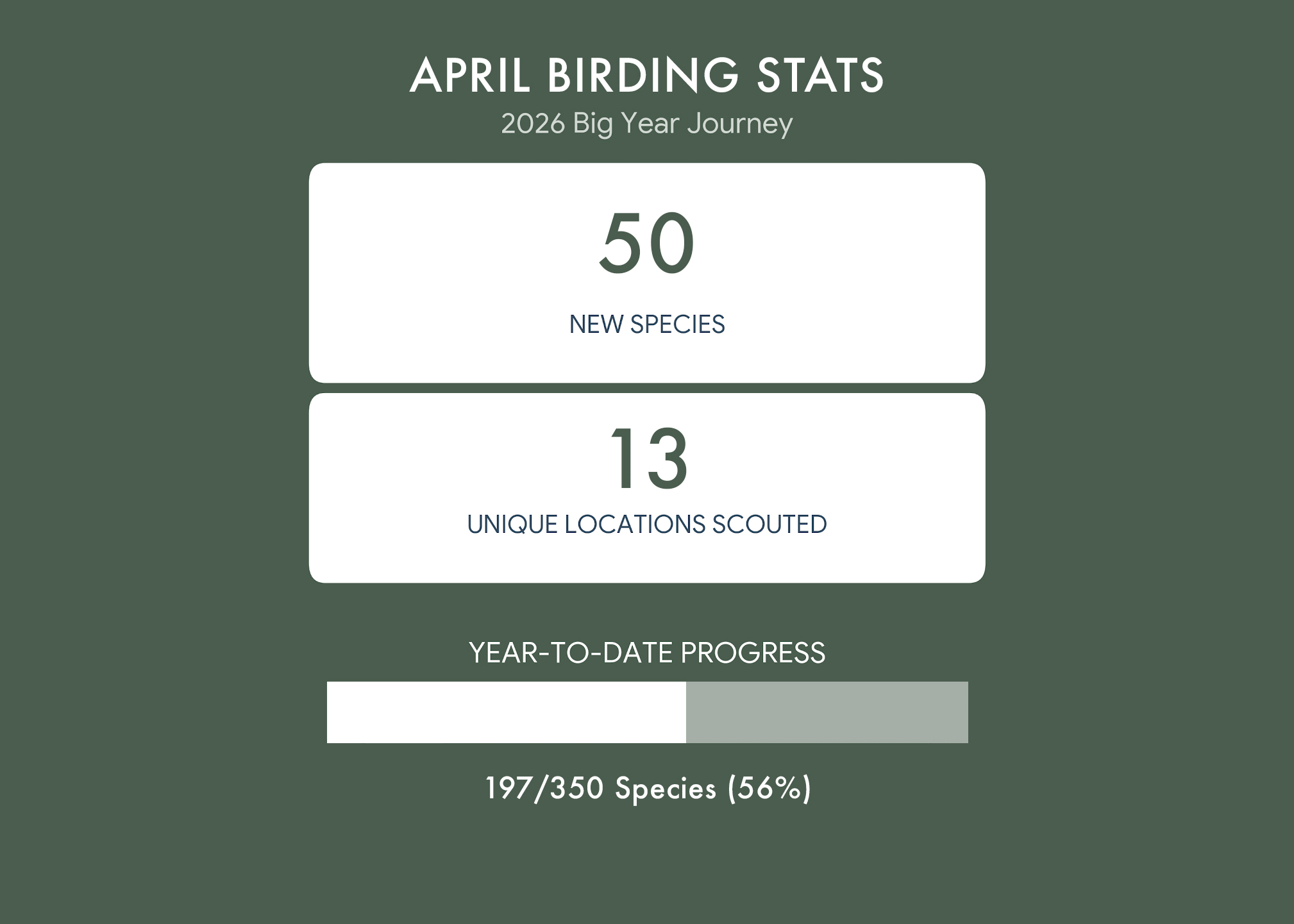
If March was defined by wide-open desert canyons and day one luck, April was the exact opposite: a masterclass in patience, neck strain, and the chaotic beauty of the eastern canopy.
We traded our Colorado home base for the lush forests of Georgia to visit family; which, of course, also meant packing the binoculars and heading straight to some of the premier spring migration hotspots in the South.
Our singular mission for the month? Warblers. We spent our first few days heading out to Kennesaw Mountain, a legendary “fallout” spot where migrating birds collapse into the trees to rest and refuel after long flights. In theory, it’s a birder’s paradise. In reality, our first few visits were incredibly frustrating.
Our strategy had always been simple: walk, spot movement, stop, and look. But eastern warblers play by different rules. They are tiny, hyperactive, and constantly buried in the fresh spring leaves. Trying to track them felt like chasing ghosts, and seeing a bird for longer than 10 seconds was an absolute miracle.
The turning point came when we joined a local birding group tour. Watching the veterans operate changed everything. They didn’t chase the movement; they stopped, waited, and let the canopy come to life around them. We learned to move in slow motion. And once we adjusted to that rhythm, the floodgates opened.
Our Georgia Haul
Slowing down turned Kennesaw Mountain into a color wheel. We ended up adding 18 different warbler species to our list on that trip alone. Here are a few of our favorites that I was actually able to snap photos of.
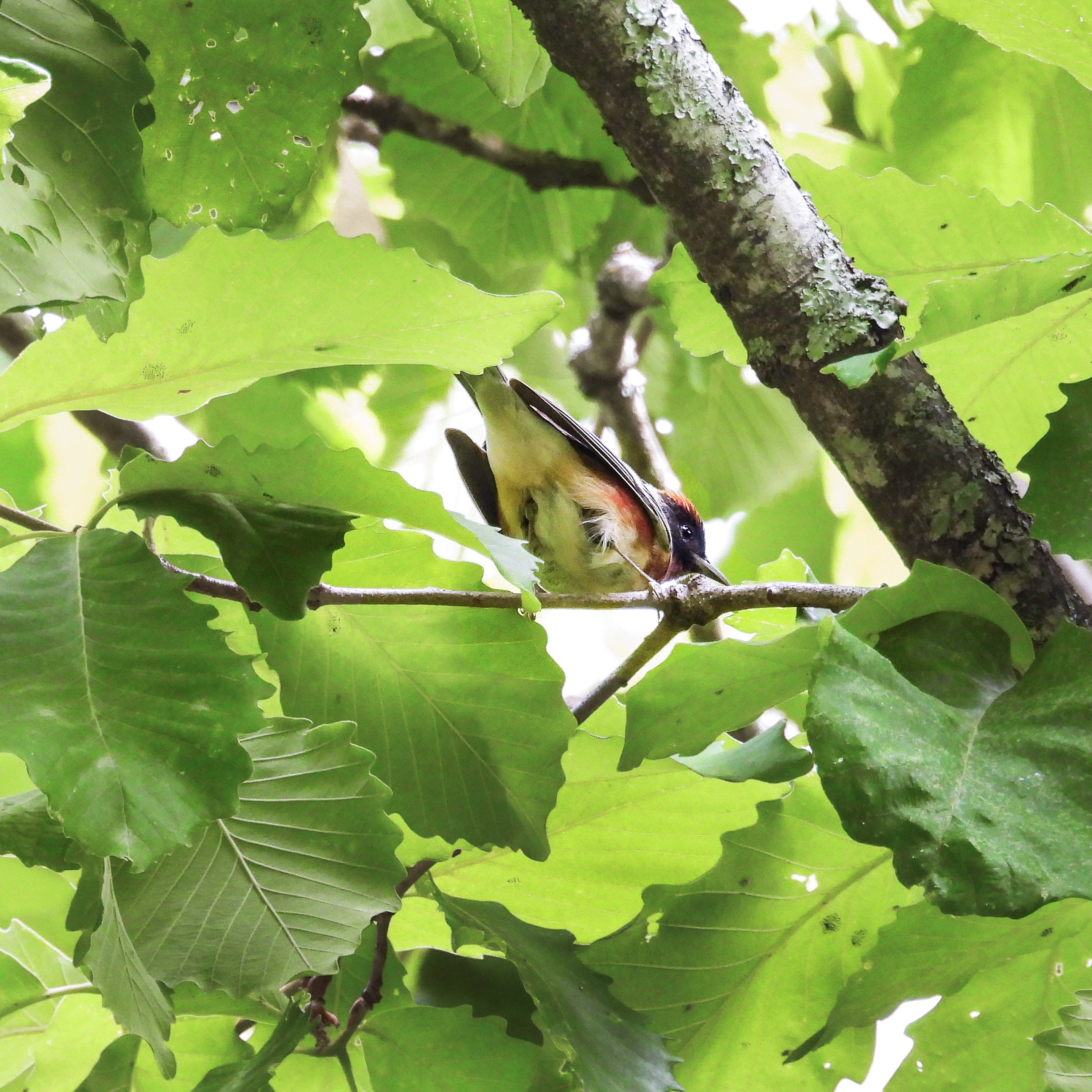
Bay-Breasted Warbler
A true stunner in its spring breeding plumage, the male Bay-breasted Warbler features a dark face beautifully contrasted by a rich, deep chestnut crown, throat, and flanks.
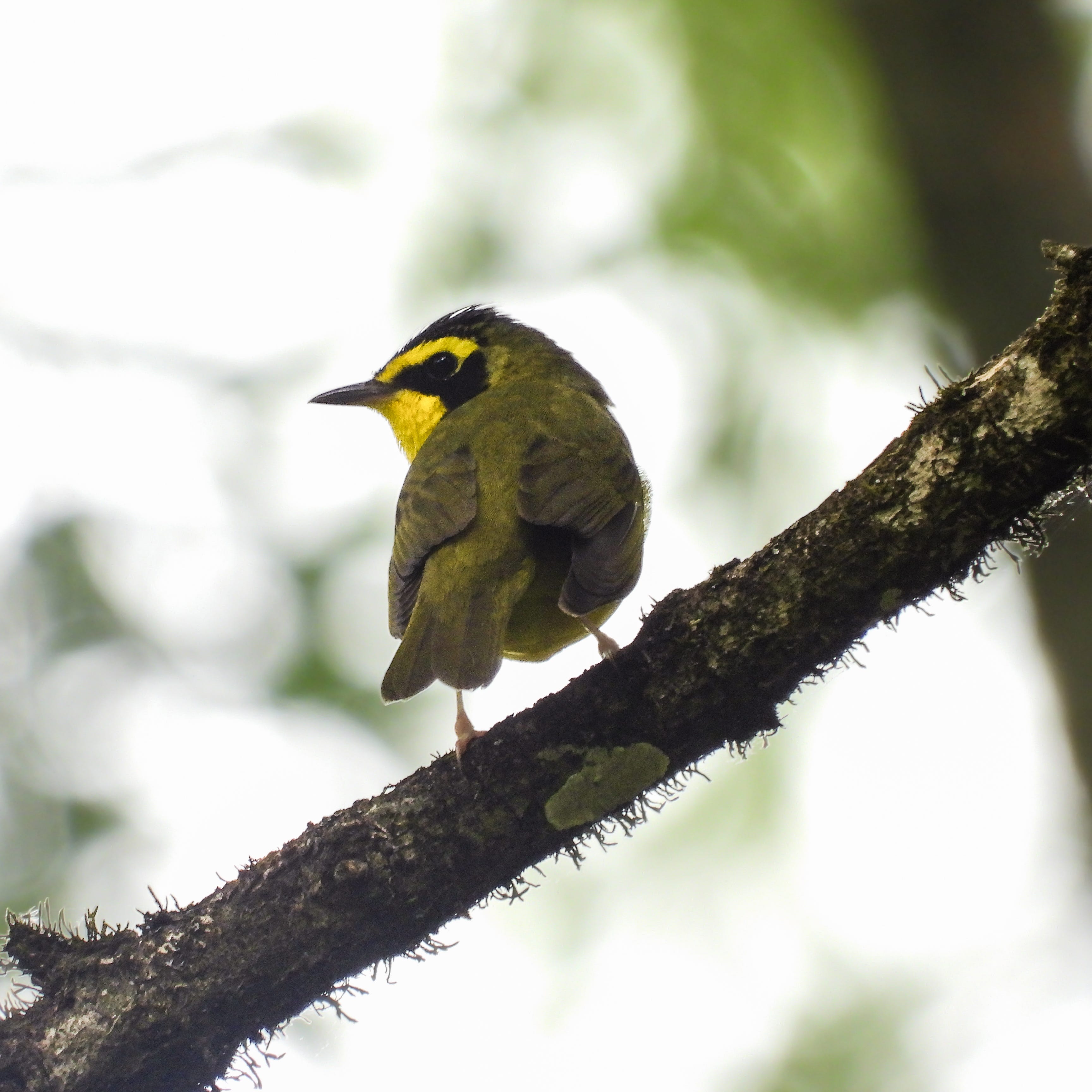
Kentucky Warbler
Draped in rich olive-green and bright yellow, this dapper bird looks like it's wearing a pair of bold, black spectacles and sideburns. Unlike the canopy-dwellers, the Kentucky is a secretive understory specialist that spends its time hopping along the forest floor, even building its well-concealed nest right on the ground tucked beneath dense ferns and leaf litter.
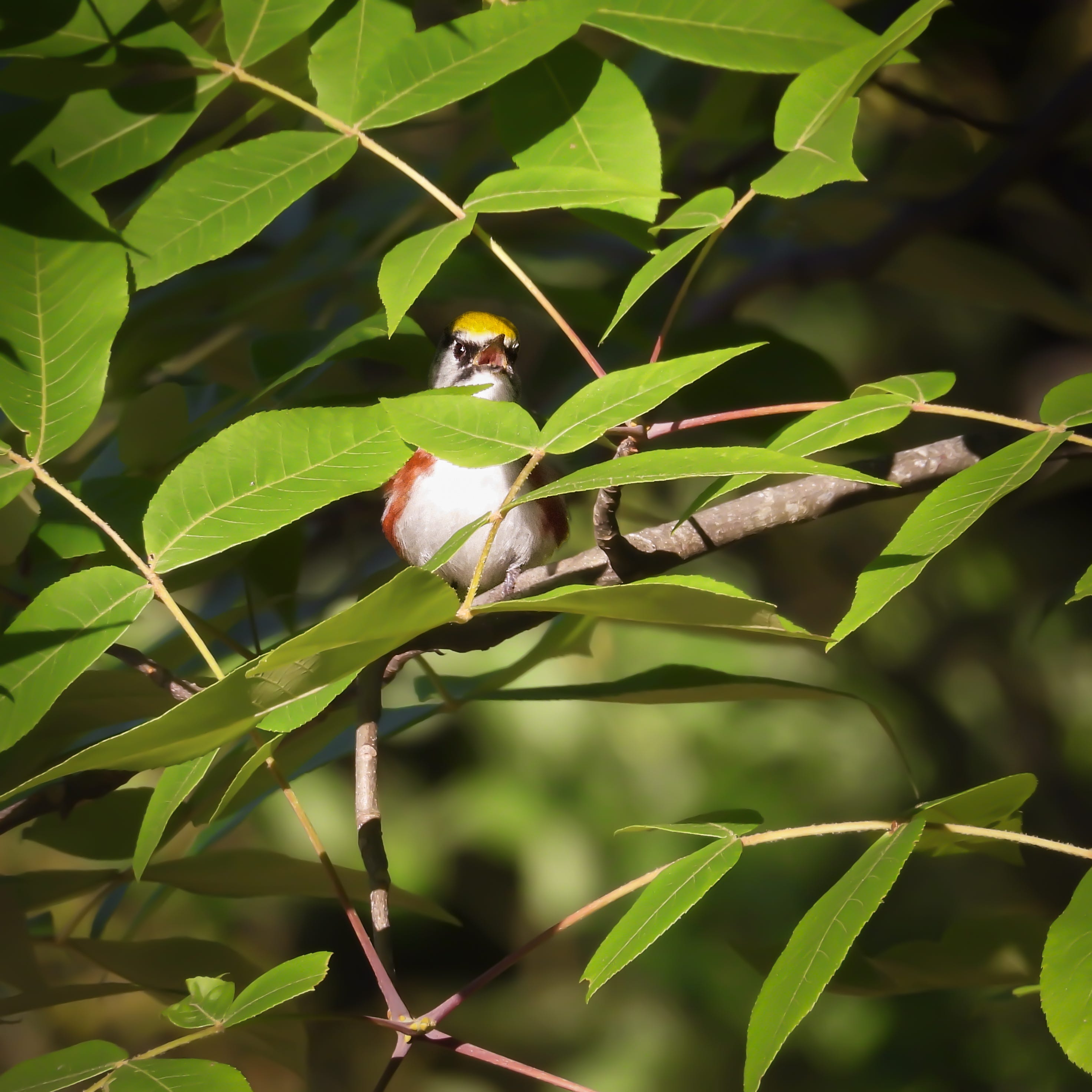
Chestnut-sided Warbler
Sporting a bright yellow cap and a crisp white breast framed by rich chestnut streaks, this bird is an absolute standout in the spring canopy. Interestingly, while many warblers suffer from habitat loss, this species actually grew as old-growth forests were cleared, thriving in the thick, shrubby regrowing woods that follow—a true testament to their resilience.
But the forest wasn’t just filled with warblers. The canopy was practically dripping with neon plumage. We crossed paths with brilliant Summer Tanagers, electric Scarlet Tanagers, and the deep sapphire blue of Indigo Buntings.
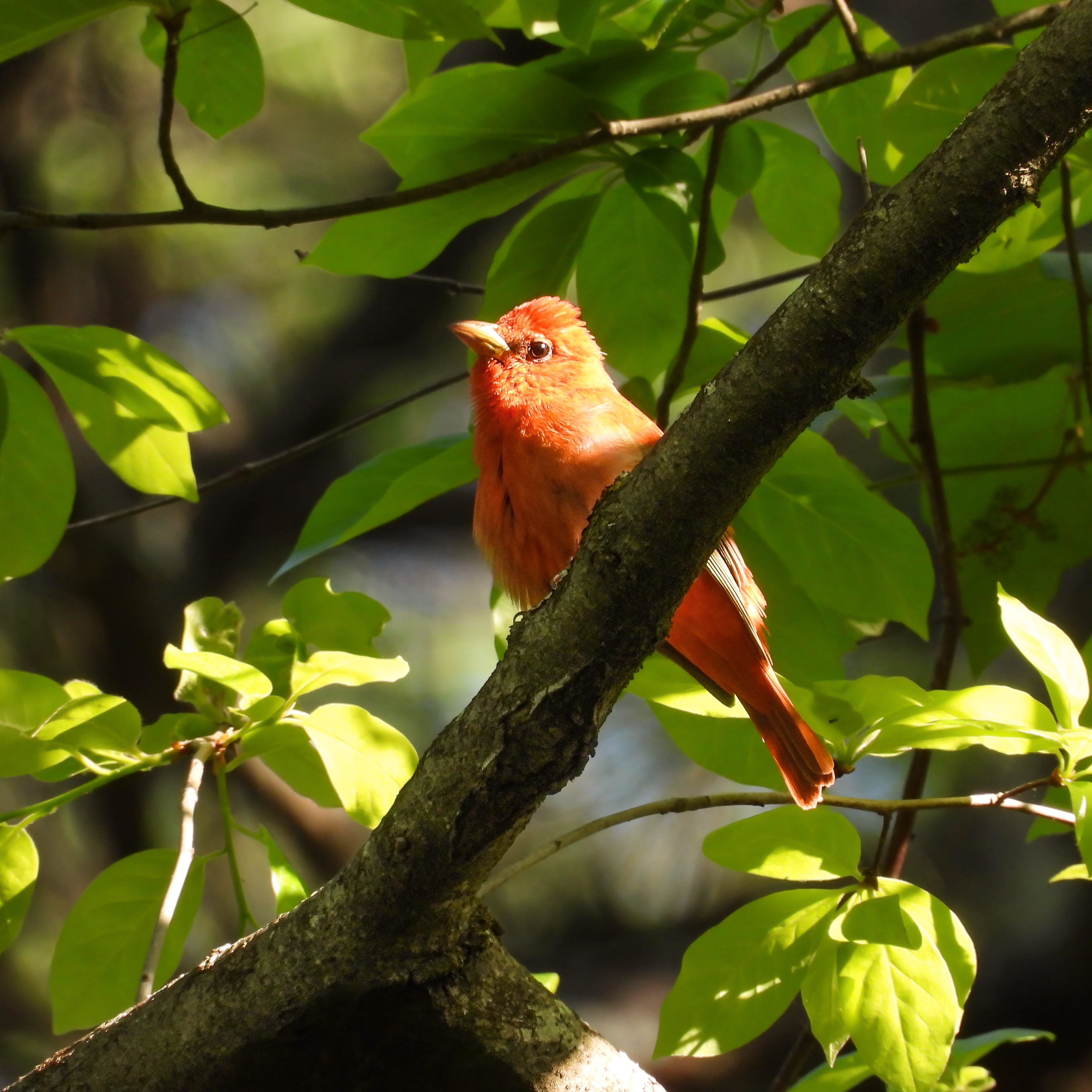
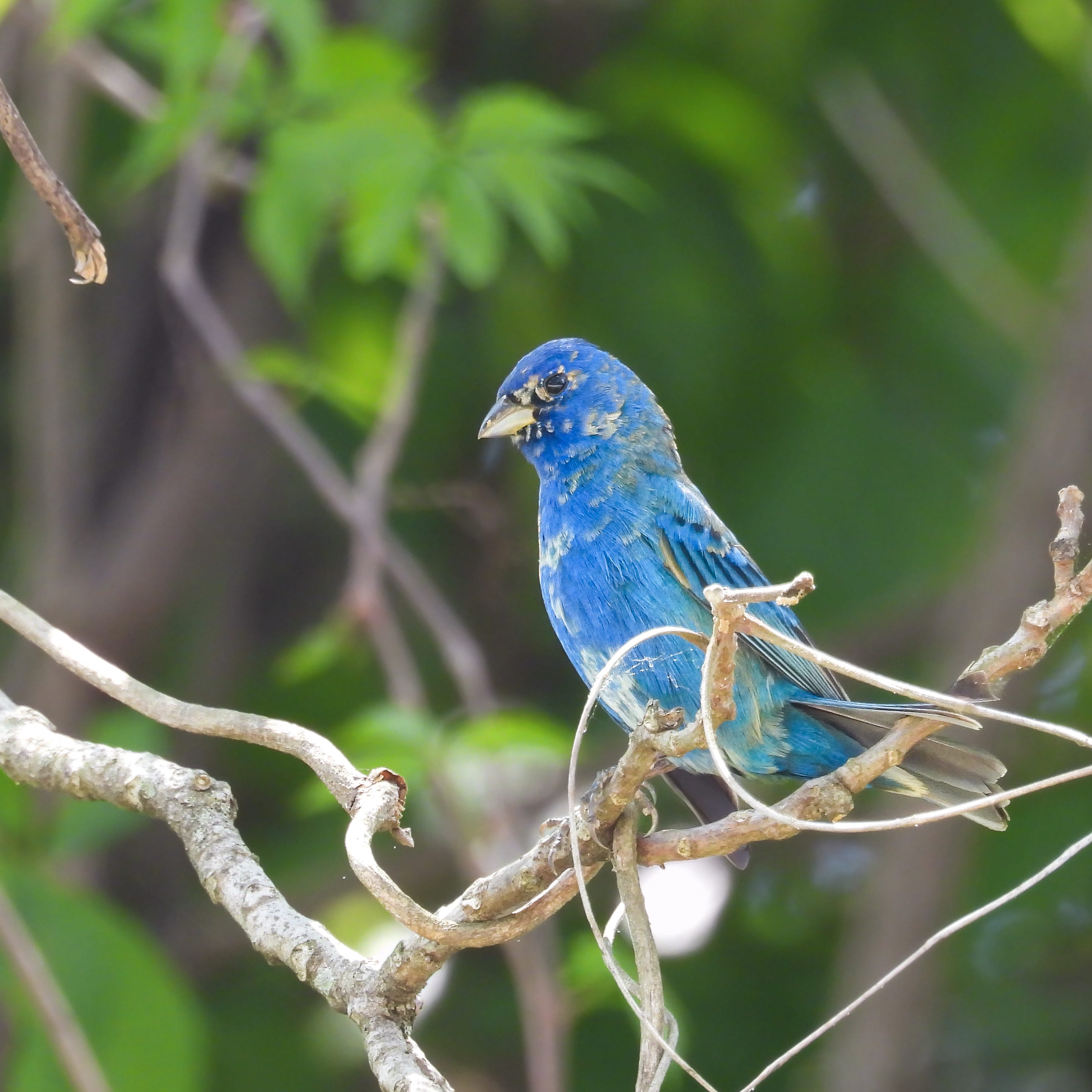
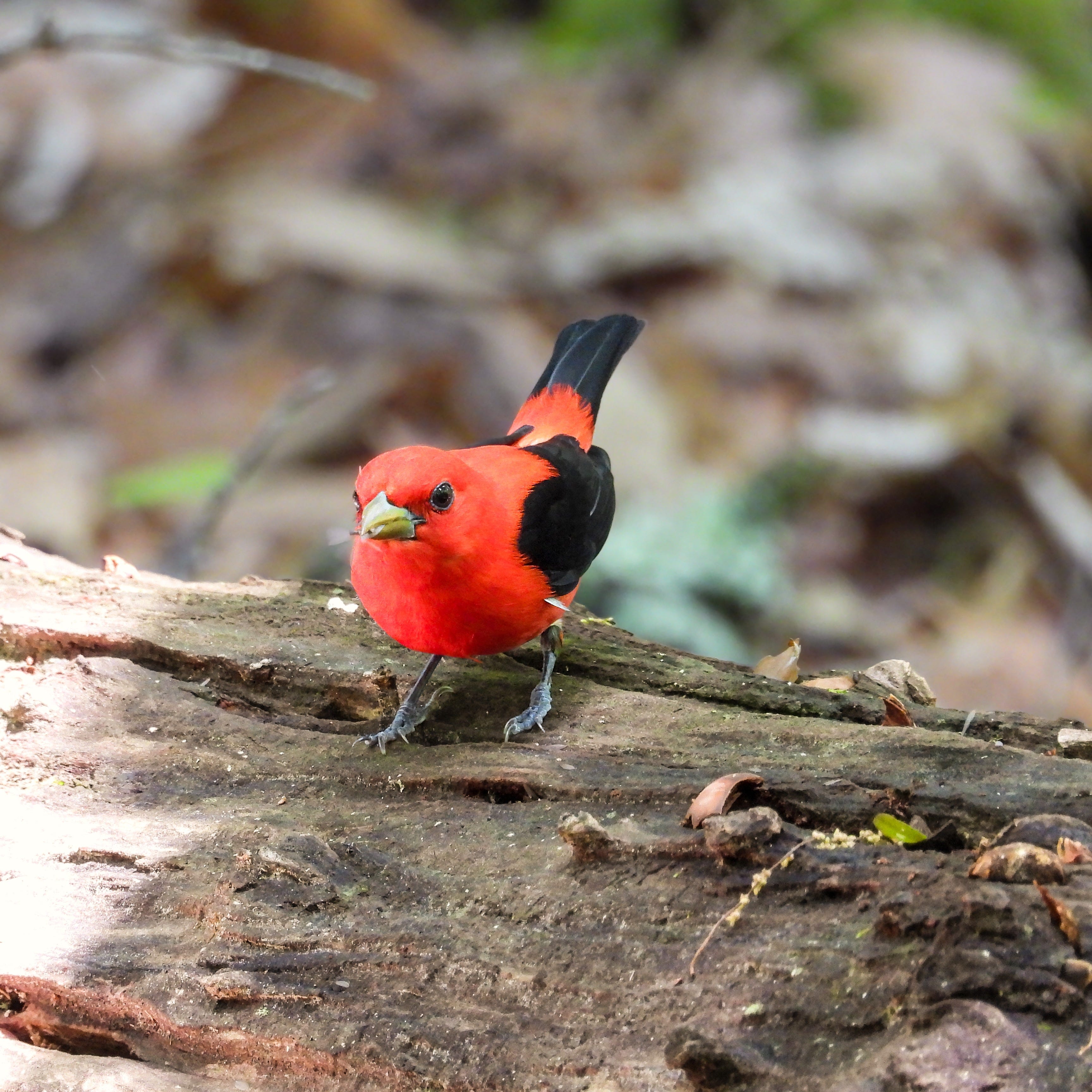
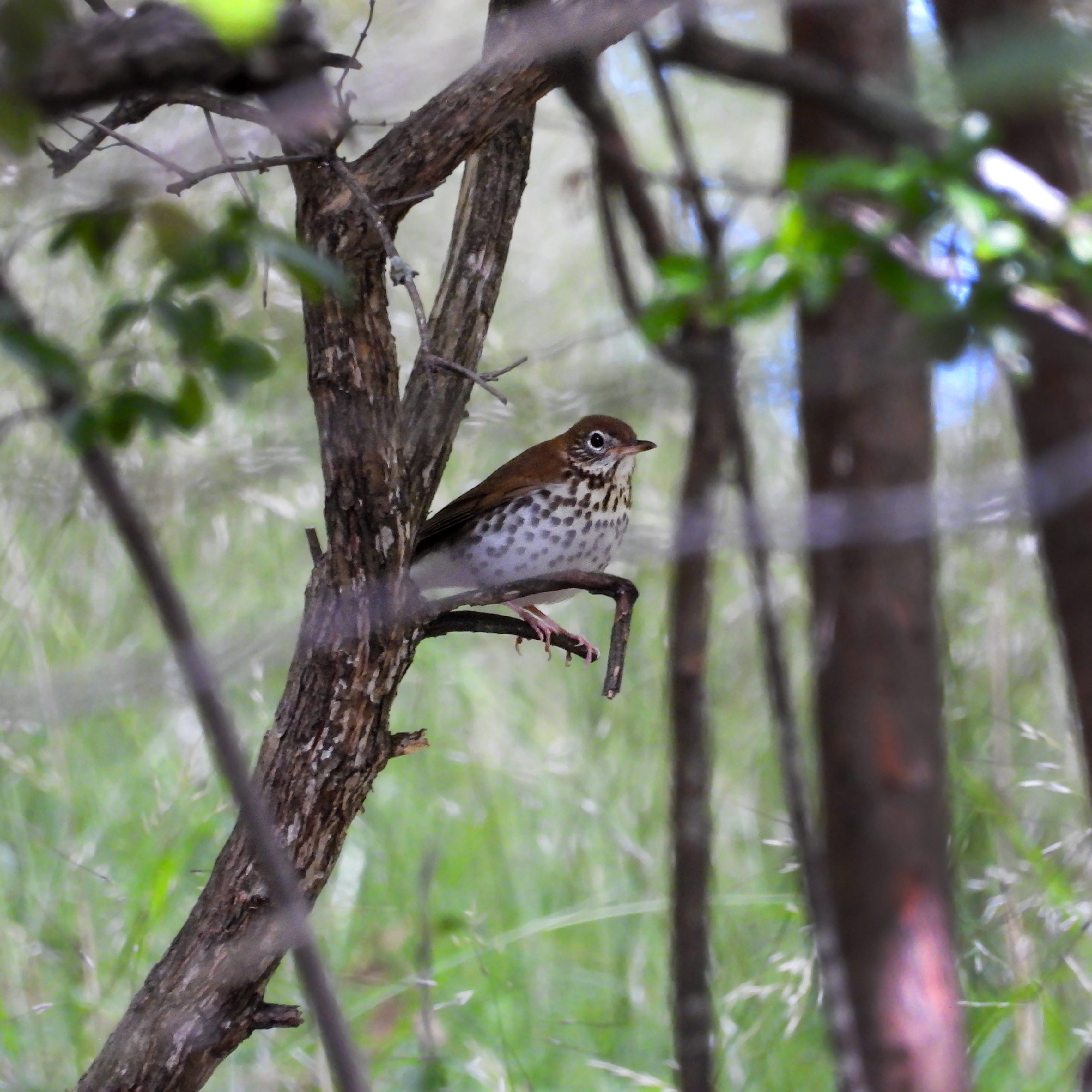
Between the visual overload, the soundscape of the southern woods was unforgettable. Hearing the ethereal, flute-like call of the Wood Thrush for the first time this season quickly made it one of my absolute favorite bird songs of the year.
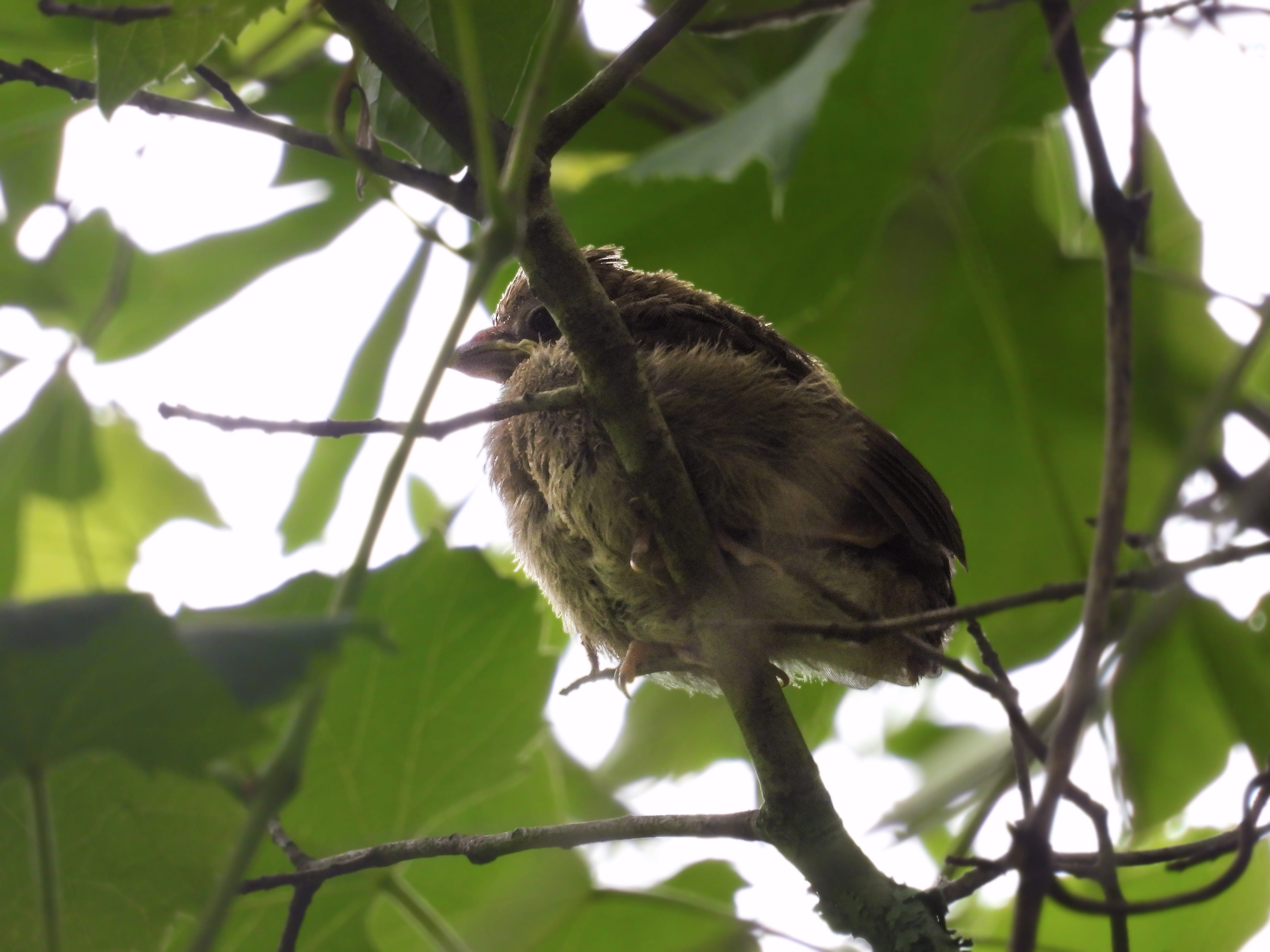
And I couldn’t resist including this little potato—a fluffy Northern Cardinal fledgling patiently (or not so patiently) waiting in the branches to be fed by his parents.
Bird of the Month: Magnolia Warbler
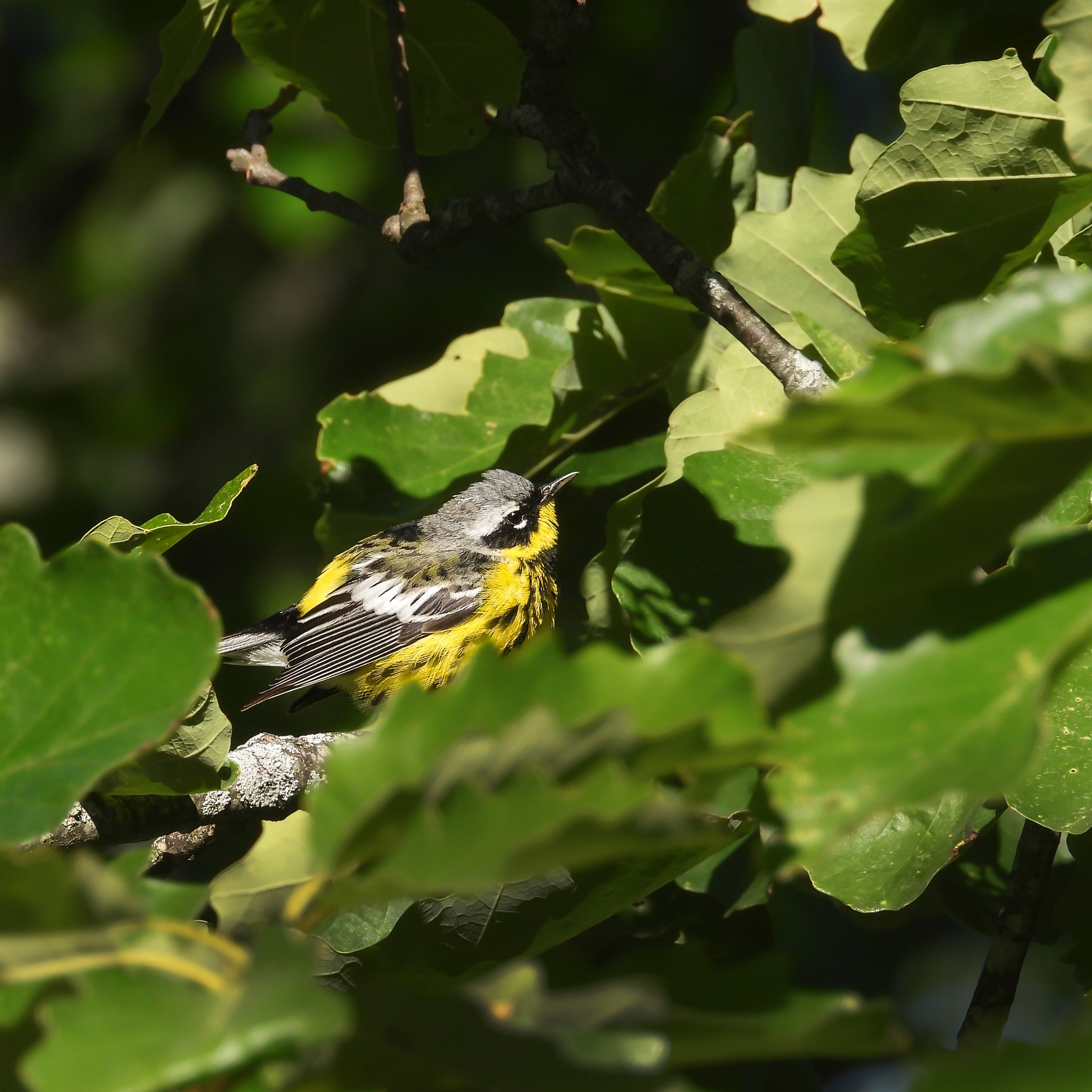
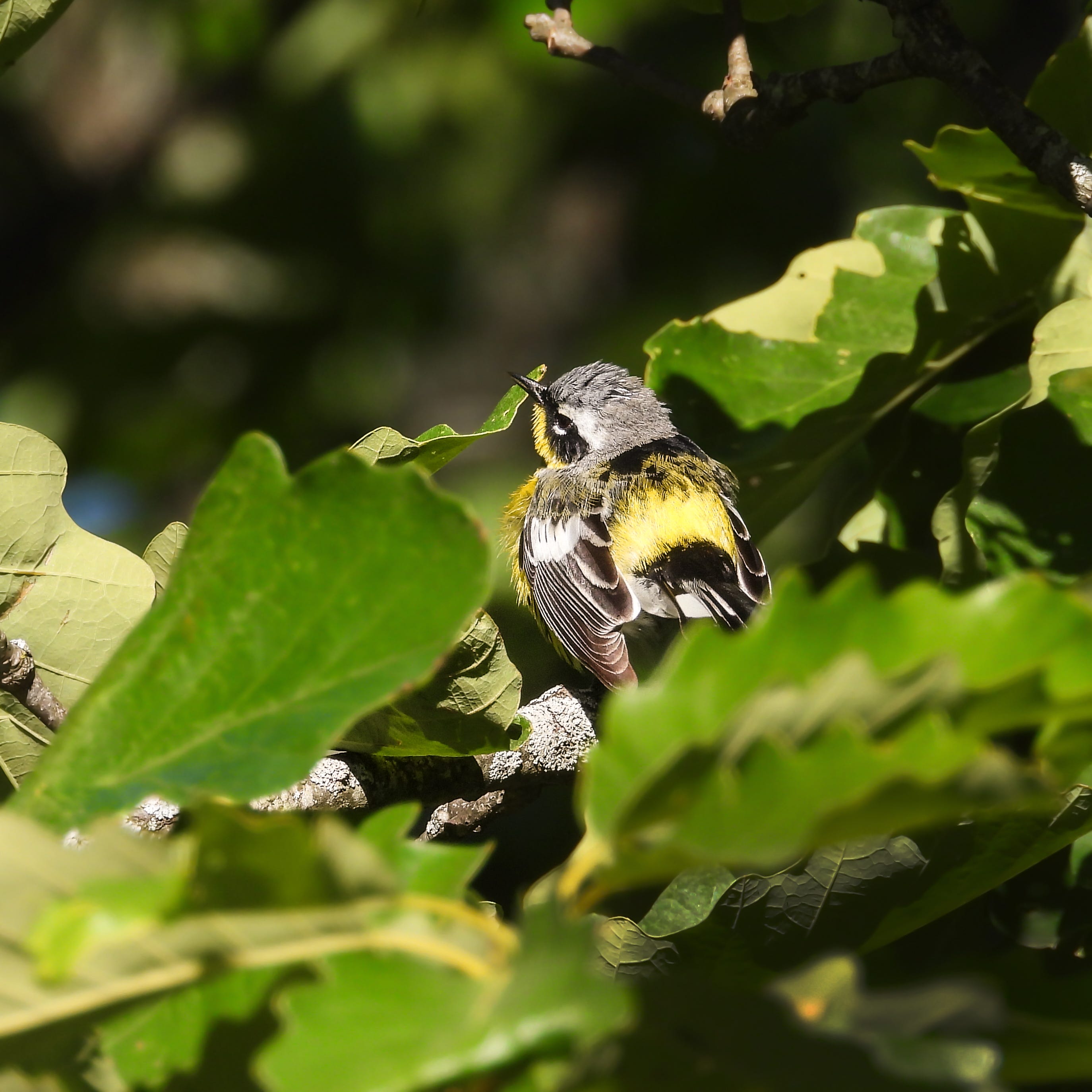
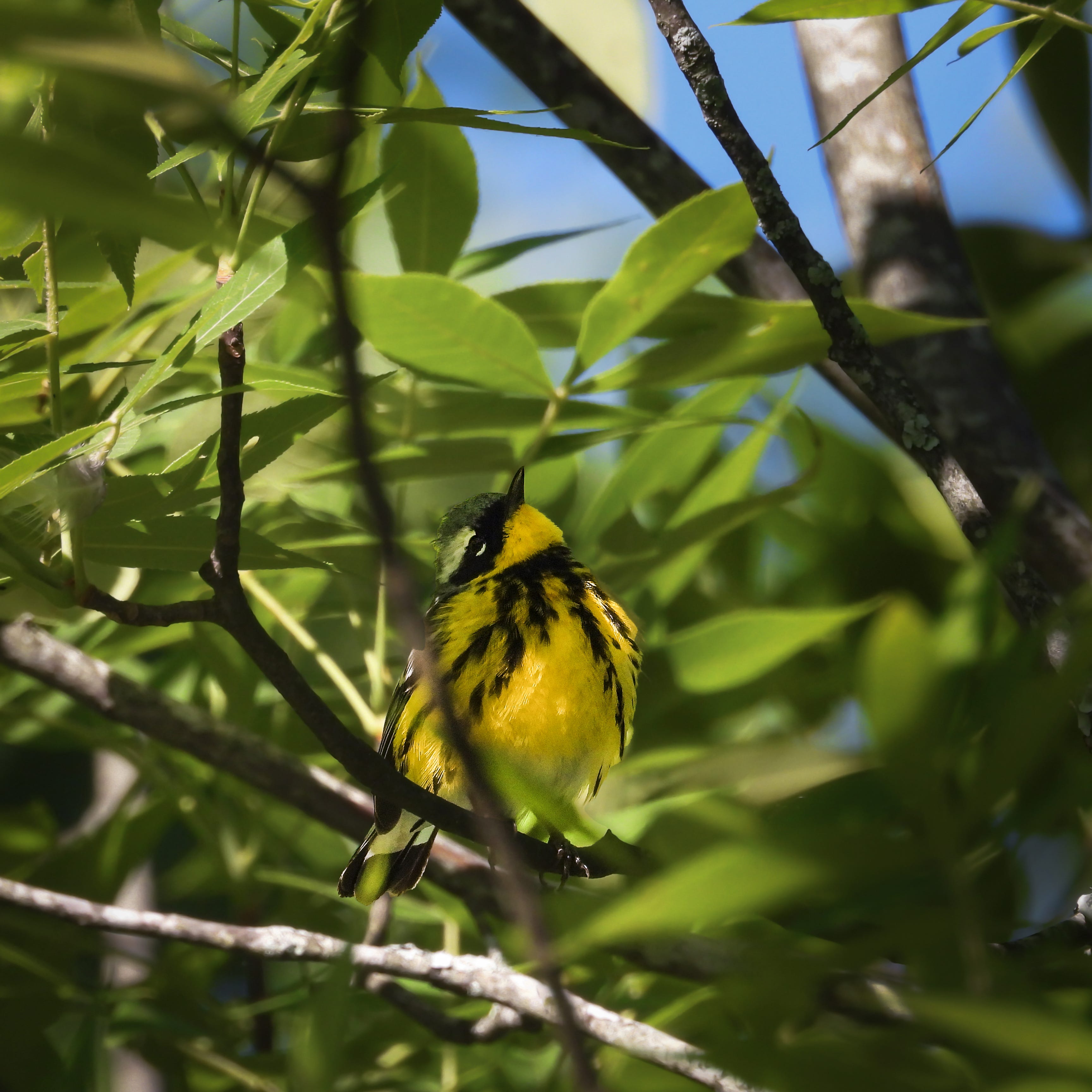
Choosing a favorite from an 18-warbler month is tough, but the crown for April goes to the Magnolia Warbler.
While every other warbler seemed to be operating on a caffeine high, this gorgeous bird did the unthinkable: it actually stayed completely still for longer than 10 seconds. Thanks to its brief moment of cooperation, I was able to capture the most detailed photos of a warbler so far.
Despite their name, Magnolia Warblers don't actually have a special love for magnolia trees; the ornithologist that discovered this species simply happened to find the very first specimen in a Mississippi magnolia tree back in 1810, and the name stuck.
Big Year Progress Report
We came into April riding the high from the Southwest, and this Georgia getaway pushed our momentum even further. We are officially closing in on the next massive milestone of our 350-species goal!
Now, we are back home in Colorado, prepping the gear, and waiting for the next waves of the spring migration to hit the Rockies.
Thank you all for following along on this journey! Drop a comment below—what has been your favorite spring migrant to spot in your neck of the woods this month?
Great job. Love all the different bird photos.
That Indigo Bunting!! So beautiful.